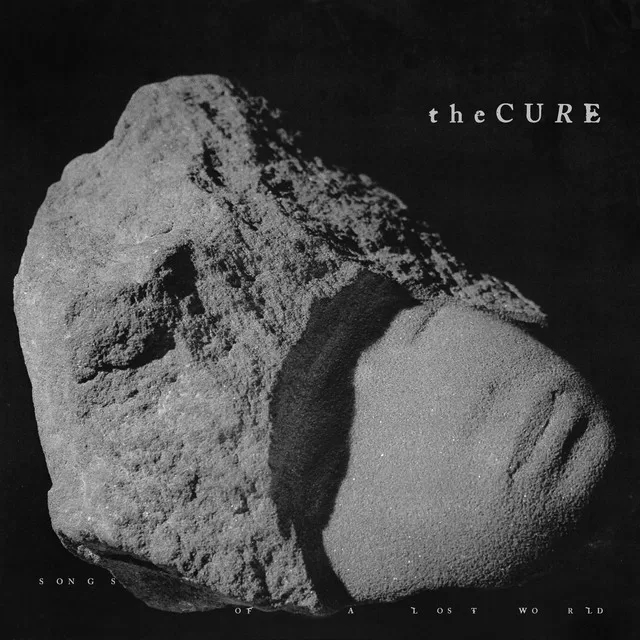

Forty-five years after ‘Pornography’* scared off half their audience with its gloom, The Cure circle back to that same darkness on ‘Songs Of A Lost World’*, only now it lands as hard-won wisdom rather than youthful despair. Back then, Robert Smith was 23, choking on youthful excess and existential panic. Now at 67, the same emotional terrain feels earned. Less tantrum, more autopsy. The album flows with long, glacial riffs, carrying the perspective of someone who survived the abyss. Not a retreat to safer ground. A confrontation, transformed into something grand and genuinely cathartic.
“Alone”* opens with a riff that feels like it has been waiting decades to be played. It stretches out slow and deliberate, stacking layers until the air feels thick with intent. Smith enters late, his voice frayed but steady, turning grief into something you lean into rather than away from. The haunting intro builds not to a peak but to a plateau, where everything just holds, heavy and real.
“And Nothing Is Forever”* lets the atmosphere expand further. Synths flicker at the edges like memories you cannot quite place, while the rhythm section plods with patient insistence. There is a moment midway where he delivers a line about permanence with such quiet defeat it lands like a slap in the cold. It is not screamed. It is exhaled. The glacial pace makes that weight sink deeper.
“A Fragile Thing”* finds tension amid the sprawl. The guitars pull closer, their intros sharp enough to pierce the haze without shattering it. Real ache bleeds through here, his voice cracking at the edges. That classic Cure depth filters through someone who knows exactly how fragile things actually are, a reminder of what makes The Cure so singular even after all this time.
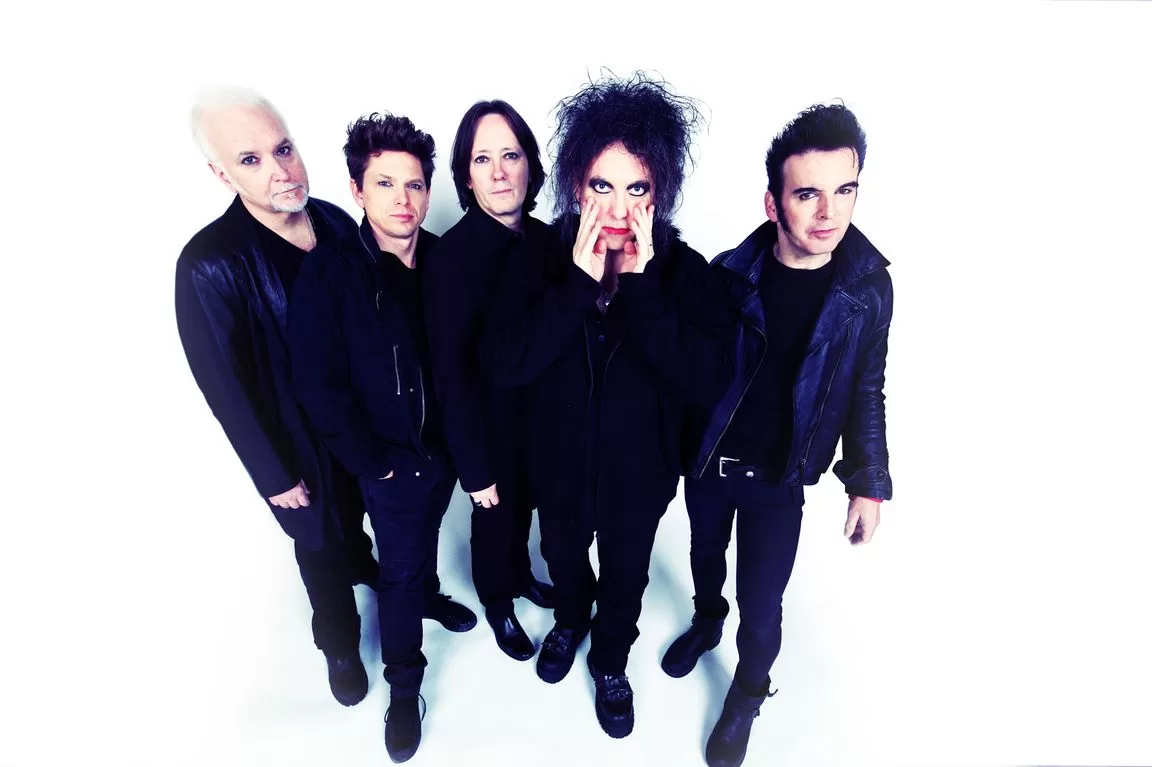
“Warsong”* adds a subtle edge, drums landing with mechanical heft while feedback hums underneath like buried static. Less about external conflict, more about the internal kind that outlasts everything else. The riffs coil restlessly, pushing against the album’s unhurried frame.
“Endsong”* dissolves rather than resolves. Reverb swallows the edges, percussion fades to a pulse, and Smith‘s voice trails off into silence. It mirrors how grief lingers, not in big gestures but in slow erosion that somehow carves beauty from stone.
The production gives those long riffs and haunting intros the space they demand. Everything breathes. Simon Gallup‘s bass lines ground the expanses without cluttering them, keyboards adding just enough glow to keep the grey alive rather than lifeless. It echoes ‘Disintegration’* and ‘Faith’* without copying homework, reshaping that sound for a band that has well and truly earned its shadows.
Smith‘s lyrics cut straight to the bone. No metaphors to hide behind. Grief and self-doubt stand naked, transformed into catharsis through plainspoken delivery. That directness, paired with the record’s sheer scale, turns melancholy into something triumphant. It feels lived-in, not conceptual. After four decades plus, The Cure know their darkness does not need dressing up, and finally letting the mask slip completely is the most powerful move they have made in years.
‘Songs Of A Lost World’* needs space and time. Blast it on a long night drive or let it fill an empty room as the sun slowly rises, it will burrow deep and that glacial pull proves irresistible.
The Cure have an essential album for anyone who values catharsis over comfort, and if past live performances are anything to go by, a tour in support of this would be something very special indeed.
TRACKS: