


In this edition, we bring you a combination of honest indie folk storytelling, a grittier hip-hop sound, and a spooky gothic vibe that is spot on. For the full playlist, click here.

Baïki- “KosmoX”
“KosmoX” is a biting, politically charged satire that is just as thought-provoking as it is chaotic in its sound. Baïki once again shows that Belgian punk rock can be a fierce way to make social and political points, bursting out of the gate with heavy, pounding metal beats. The song asks an important central question: Does humanity really need a shared enemy to bring people together? It does this by using a witty sci-fi plot in which humans leave a destroyed Earth to settle on an alien world. Baiki does a great job of making fun of how humans behave in cycles by looking at how we destroy our own planet, do the same thing to a new one, and then smugly call it “progress.” It’s a cynical idea that’s delivered with dark humor that makes you laugh and think about our future as a whole at the same time.
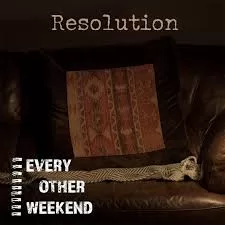
Every Other Weekend—”Resolution“
Like a chilly wind on the beach, music that doesn’t demand attention makes a low-key entry and gradually grows on you. We require nothing more than the fact that it exists. That is the precise effect of the track “Resolution.” The lead singer of the former Manchester indie rock band City Reign, Chris Bull, explores the process of creating a new identity in this song by reassembling the pieces that were broken by life’s cycles after his father passed away. The song examines remembering the past and the memories that are ingrained in every part of the body. With the drums moving in time like the rhythmic heartbeat and the words expressing the anguish and acceptance of the events, this song depicts the hope that someone might experience after long days of self-doubt. This is actually very peaceful and soothing.
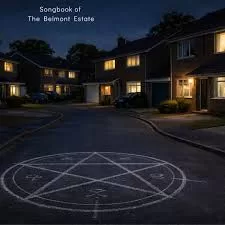
The Belmont Estate—”Big Love”
At its most powerful, this song is about how fragile and scary life and love can be, and how that fear that it’s all over can leave you with a hollow ache. A sixth part of the album Songbook of The Belmont Estate, “Big Love,” shows how well the record captures a state of complete mental ambiguity. The song starts with a husky, powerful female vocal performance that acts as a shocking break in the otherwise quiet train of thought. It’s a great example of how our greatest worries come to life when we are alone with our thoughts. As the song goes on, more and more complicated levels of instruments start to mix and clash, creating a sound that reflects the busy, overthinking mind. The emotional ambiguity is so well explored that it makes the listener sit with it, even after the track is over.
Matt Nation—”April’s Fool”
People who use a cold poker face as a trick for a long time might trap those they fool in a frustrating cycle of self-doubt and emotional paralysis. This serious psychological damage is what drives Matt Nation’s song “April’s Fool.” Nation does a great job in picking the title, as the track explores the idea of people fooling others through their projected personas every single day of their lives, like celebrating April Fool’s Day throughout their lives by living it. The chaos that follows makes the listener question trust and stay stuck in a state where they don’t know how to act or heal. The strong, pulsing guitar notes do a great job of capturing the agitated mood of the song. The pointed, repeated chugs of the instruments drive home the song’s most hauntingly appealing hook, “I wouldn’t want to wish this on my worst enemy,” ultimately making this track a powerful mix of pop-punk and unfiltered vulnerability.

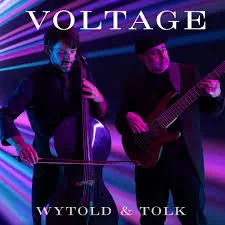
Wytold & Tolk—”Or Will You”
In “Or Will You,” Wytold and Tolk create a stunning environment that emerges from the union of two disparate domains. Wytold’s background in the philosophy of physics makes the music seem like a successful experiment of electrical and acoustic equilibrium. In their work, the artists manage to find a remarkable balance between the two spheres, producing a wide interspatial realm where they beautifully coexist. The composition starts strong with a melody line on a six-string cello and an organic rhythmic base. As the electronic architecture comes into being, the spatial geometry of the track opens up into a dizzying sense of comfort. It seems like the instruments become self-aware and now lead us ahead according to the rules of their own nature. It is a really creative and unique work that pushes the boundaries of instrumental music, and the listener gets caught up in the very idea of it existing.
